With the U.S. facing a shortage of 4.5 million homes and Australia’s median-income households able to afford just 14% of available housing, the global housing crisis is compounding by the day. It's not simply about numbers, it's about people. Families are priced out of the communities they serve. Essential workers can’t afford to live where they work. And for many, the idea of homeownership, or even stable rental, is slipping further away.
"I’ve built my career on the belief that every person deserves a home that provides not just shelter, but dignity and security. Affordable housing must be designed to uplift people, to give them dignity, not simply house them."
Why Care
Affordable housing isn’t just an architectural challenge — it’s a public health one. Safe, stable, and dignified homes are essential to human well-being, yet remain out of reach for too many.
Over the years, we’ve partnered with architects, developers, and innovation-led housing organizations to bring design thinking to the front line of housing strategy — from Blokable’s modular systems to Emmons and Blazer’s residential projects. Our work spans concept development, prototyping, and storytelling — including the narratives that helped Blokable secure Series B funding.
We care because housing shapes how people live and belong. When design makes affordability possible without sacrificing dignity, it becomes more than good design — it becomes a public good.
Why Pace Has Been Slow… Until Now
For decades, affordable housing has moved at a crawl — hindered by cost, regulation, and a reliance on one-off architectural solutions. Governments are now trying to accelerate progress through zoning reform, funding boosts, and incentives for modular construction, but momentum still hinges on proof: compelling examples that show what’s possible when design meets scale.
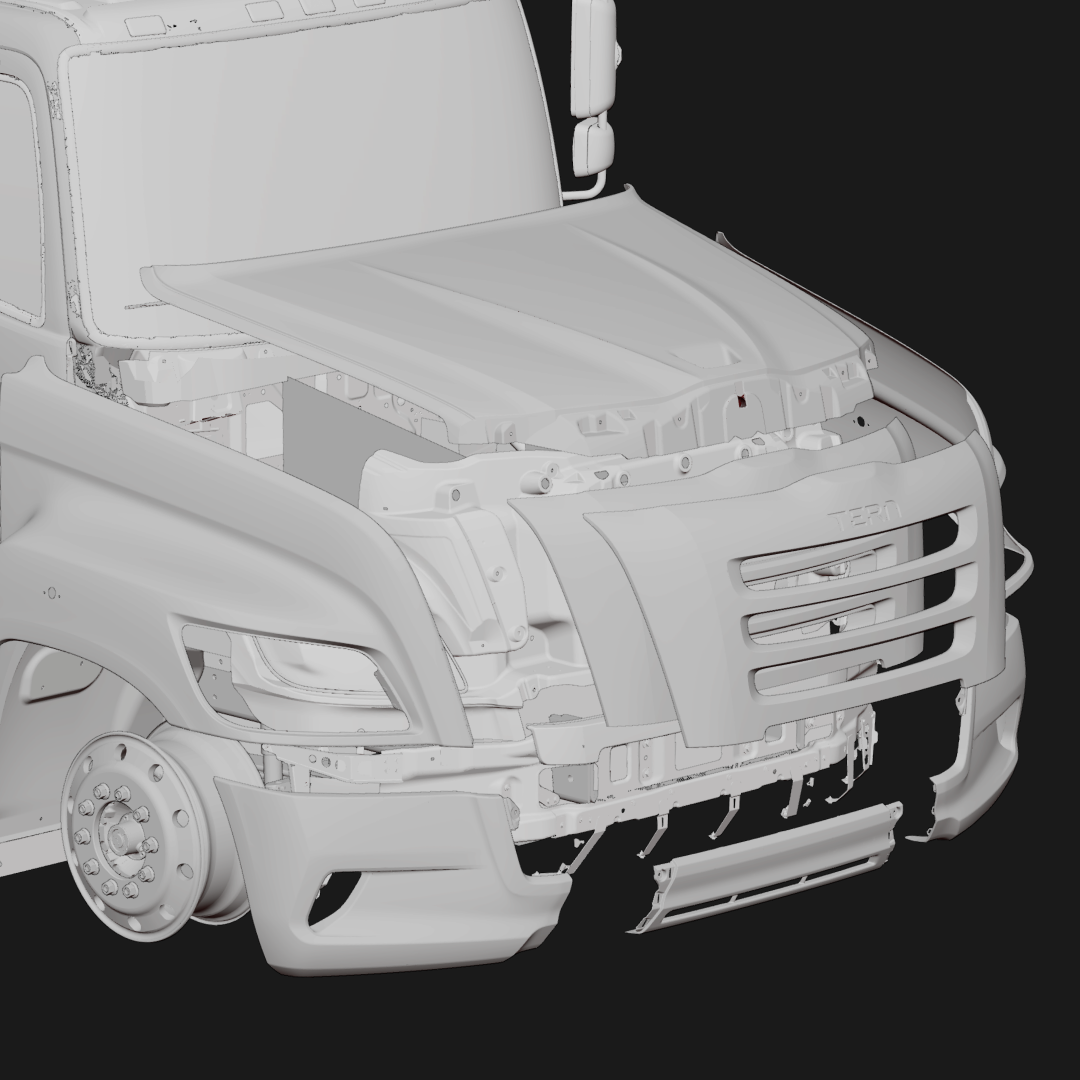
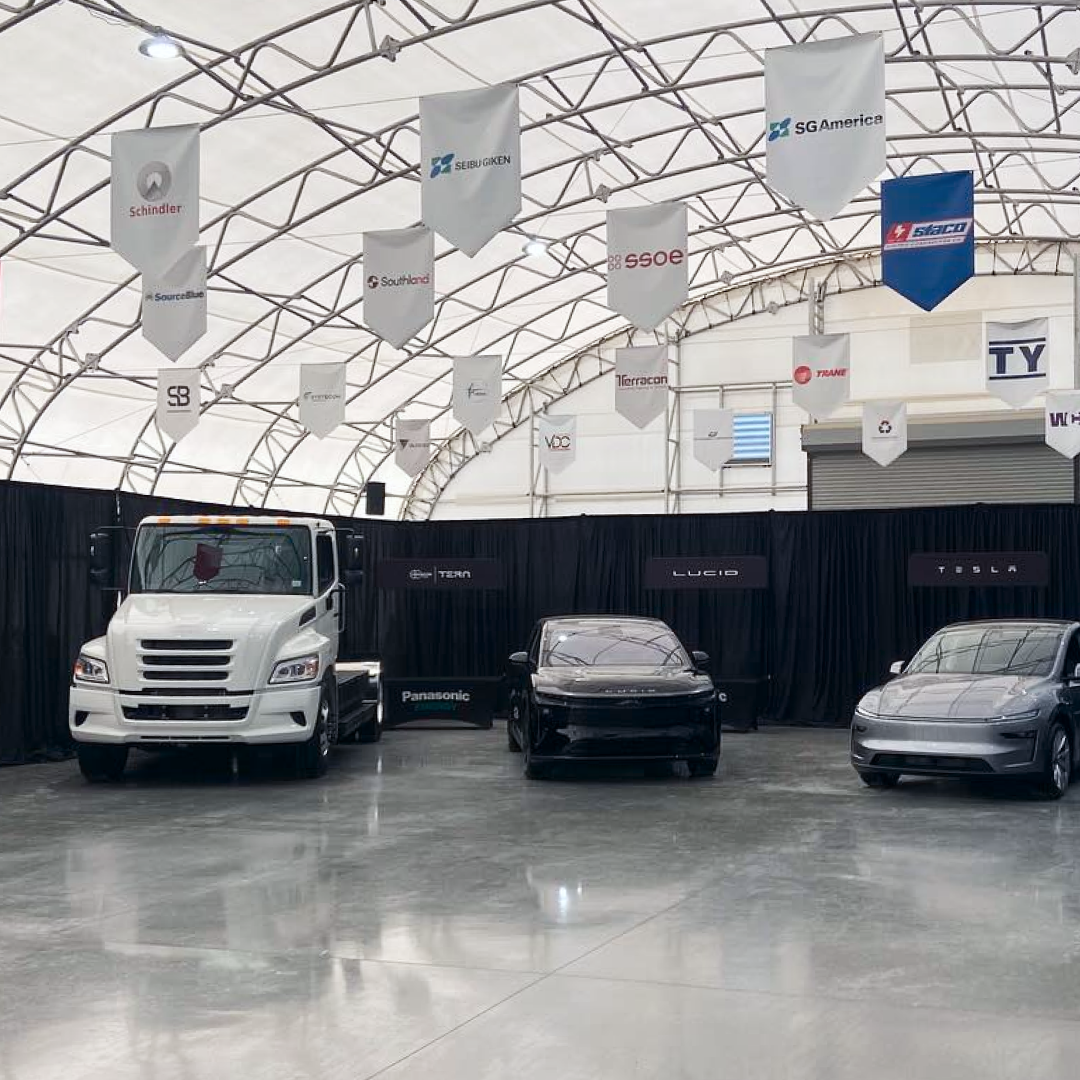
Historically, architecture-led approaches have celebrated the bespoke — each site a singular creation. Beautiful, yes, but rarely repeatable. Industrial design offers a complementary lens: one grounded in systems, precision, and human-centered efficiency. By borrowing from industries like aerospace and automotive manufacturing, we can treat homes not as isolated projects but as configurable products — designed for manufacture, assembly, and life.
The shift from architecture-led to manufacturing-led design is inevitable. Affordable housing will only move at the speed of its production system — and that system needs to be designed.
What Design Can Solve
Design’s true power isn’t aesthetic — it’s problem-solving. Applied to affordable housing, design transforms constraints into catalysts. It can shorten build times, cut waste, improve comfort, and enable homes that adapt to people’s lives — from young families to aging residents.
The opportunity lies in designing systems, not structures: User-driven design. Imagine lighting that expands a small space, responds to your mood, and restores calm — technology tuned to human emotion. System-level thinking. Picture neighborhoods where shared energy, water, and social spaces connect individual homes into efficient, living, supportive communities. Design for manufacture at scale. Envision housing systems that replicate with precision — from city pilots to nationwide networks — delivering quality, equity, and resilience at scale.
Design doesn’t end when the lights come on — it begins. With connected technologies and feedback loops, we can learn from how people live, evolve spaces in real time, and continuously raise the quality of everyday life.

Affordable ≠ Cheap
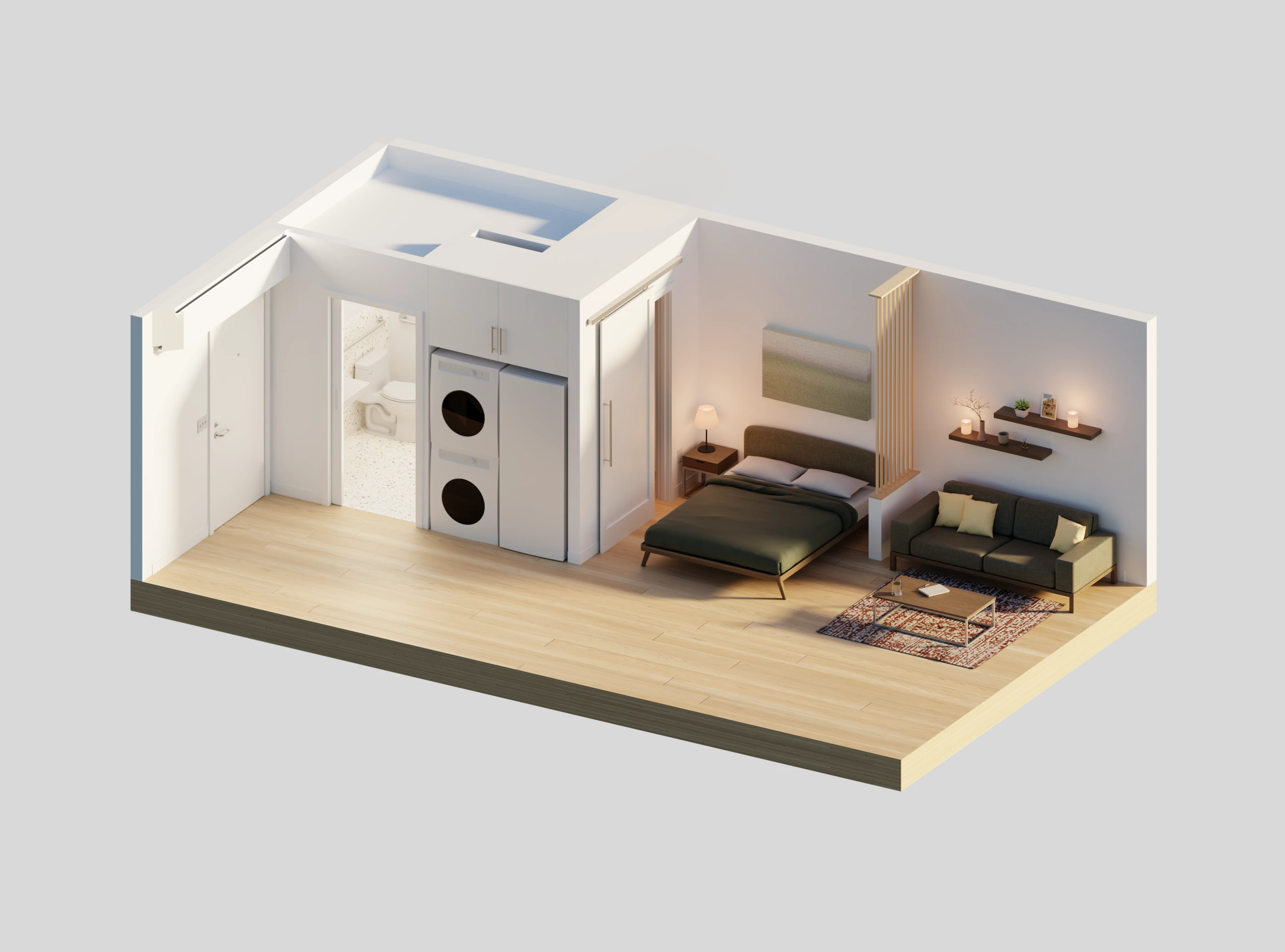
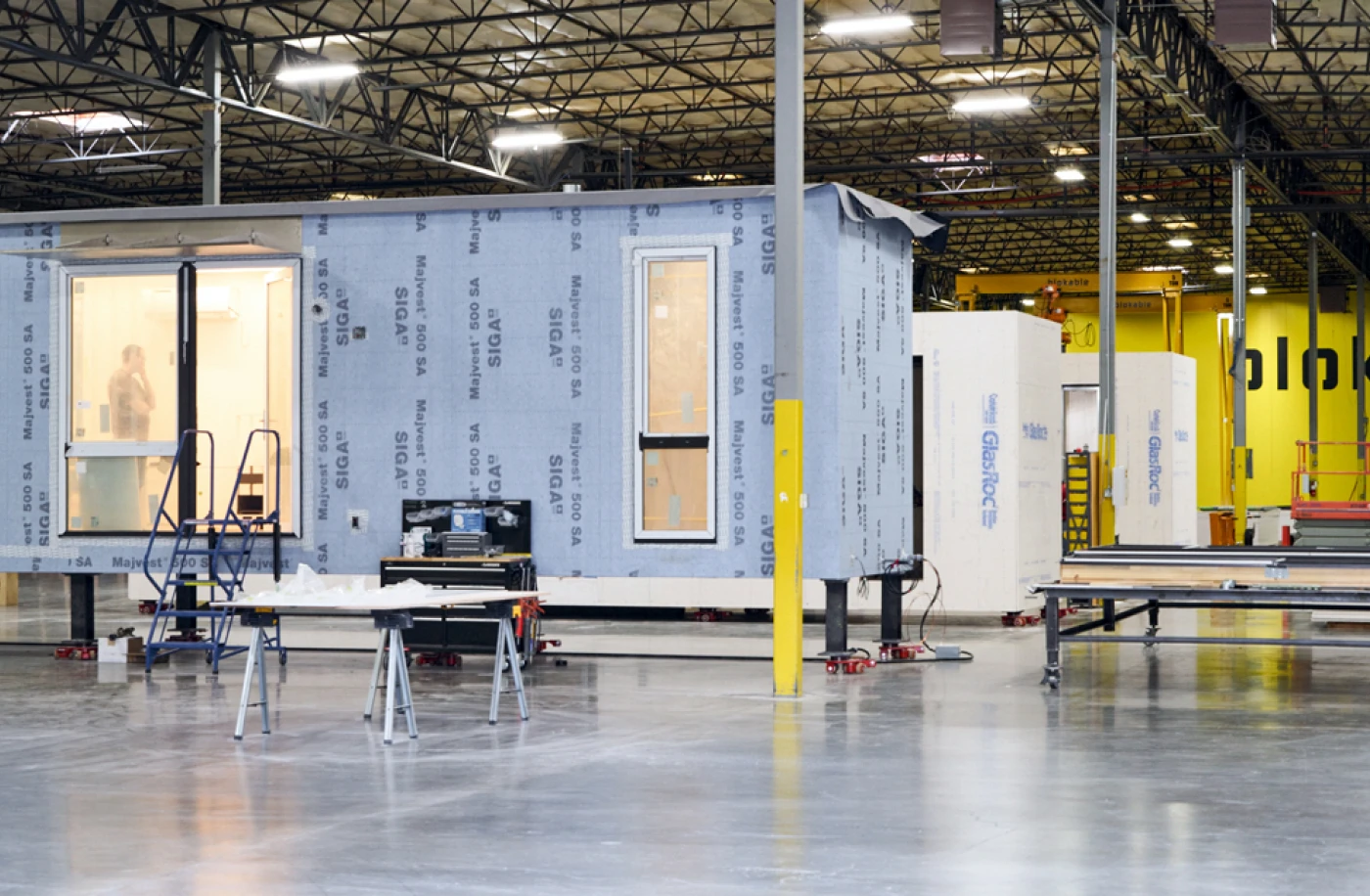
Smart design is the bridge between quality and scale. Modularity — think LEGO for living — creates a shared system of catalogued parts, materials, and sub-assemblies that can be configured for diverse needs and environments. This approach enables housing that’s competitively priced yet flexible, sustainable, and built to evolve.
More importantly, modular design makes once cost-prohibitive innovations achievable. Features like programmable lighting that mimics natural daylight to support mood and sleep, intelligent entry and security systems, and energy monitoring that flags inefficiencies or failures all become viable at scale.
These connected systems are increasingly managed as digital twins, bridging design, construction, and life in the building. Each home becomes a living data point — one that teaches us how to build better, healthier spaces over time.
But even the best systems stall without belief. This is where communication and narrative become design tools in their own right.

The Power of Story
One of the most overlooked tools in advancing affordable housing is storytelling. It’s not enough to design a great system — people need to believe in it.
Visual storytelling helps make the invisible visible — showing how modular housing can be efficient, dignified, and attainable. It bridges imagination and implementation, helping policymakers, communities, and investors see the promise behind the process.
Because progress isn’t only about building better systems; it’s about building belief.
Designing What’s Next
Momentum is finally taking shape. Modular construction, sustainable materials, and data-driven design are beginning to converge — not as trends, but as necessities. A new generation of designers, builders, and civic leaders is ready to rethink what “affordable” means when quality, wellness, and longevity become the new metrics of success.
The next chapter of housing won’t be written by architecture or policy alone. It will be shaped by design that listens, learns, and adapts — design that turns constraint into possibility, and possibility into progress.
Ready to rethink how design can scale impact — from products to places? Reach out.

With the U.S. facing a shortage of 4.5 million homes and Australia’s median-income households able to afford just 14% of available housing, the global housing crisis is compounding by the day. It's not simply about numbers, it's about people. Families are priced out of the communities they serve. Essential workers can’t afford to live where they work. And for many, the idea of homeownership, or even stable rental, is slipping further away.
"I’ve built my career on the belief that every person deserves a home that provides not just shelter, but dignity and security. Affordable housing must be designed to uplift people, to give them dignity, not simply house them."
Why Care
Affordable housing isn’t just an architectural challenge — it’s a public health one. Safe, stable, and dignified homes are essential to human well-being, yet remain out of reach for too many.
Over the years, we’ve partnered with architects, developers, and innovation-led housing organizations to bring design thinking to the front line of housing strategy — from Blokable’s modular systems to Emmons and Blazer’s residential projects. Our work spans concept development, prototyping, and storytelling — including the narratives that helped Blokable secure Series B funding.
We care because housing shapes how people live and belong. When design makes affordability possible without sacrificing dignity, it becomes more than good design — it becomes a public good.
Why Pace Has Been Slow… Until Now
For decades, affordable housing has moved at a crawl — hindered by cost, regulation, and a reliance on one-off architectural solutions. Governments are now trying to accelerate progress through zoning reform, funding boosts, and incentives for modular construction, but momentum still hinges on proof: compelling examples that show what’s possible when design meets scale.
Historically, architecture-led approaches have celebrated the bespoke — each site a singular creation. Beautiful, yes, but rarely repeatable. Industrial design offers a complementary lens: one grounded in systems, precision, and human-centered efficiency. By borrowing from industries like aerospace and automotive manufacturing, we can treat homes not as isolated projects but as configurable products — designed for manufacture, assembly, and life.
The shift from architecture-led to manufacturing-led design is inevitable. Affordable housing will only move at the speed of its production system — and that system needs to be designed.

What Design Can Solve
Design’s true power isn’t aesthetic — it’s problem-solving. Applied to affordable housing, design transforms constraints into catalysts. It can shorten build times, cut waste, improve comfort, and enable homes that adapt to people’s lives — from young families to aging residents.
The opportunity lies in designing systems, not structures: User-driven design. Imagine lighting that expands a small space, responds to your mood, and restores calm — technology tuned to human emotion. System-level thinking. Picture neighborhoods where shared energy, water, and social spaces connect individual homes into efficient, living, supportive communities. Design for manufacture at scale. Envision housing systems that replicate with precision — from city pilots to nationwide networks — delivering quality, equity, and resilience at scale.
Design doesn’t end when the lights come on — it begins. With connected technologies and feedback loops, we can learn from how people live, evolve spaces in real time, and continuously raise the quality of everyday life.

With the U.S. facing a shortage of 4.5 million homes and Australia’s median-income households able to afford just 14% of available housing, the global housing crisis is compounding by the day. It's not simply about numbers, it's about people. Families are priced out of the communities they serve. Essential workers can’t afford to live where they work. And for many, the idea of homeownership, or even stable rental, is slipping further away.
"I’ve built my career on the belief that every person deserves a home that provides not just shelter, but dignity and security. Affordable housing must be designed to uplift people, to give them dignity, not simply house them."
Why Care
Affordable housing isn’t just an architectural challenge — it’s a public health one. Safe, stable, and dignified homes are essential to human well-being, yet remain out of reach for too many.
Over the years, we’ve partnered with architects, developers, and innovation-led housing organizations to bring design thinking to the front line of housing strategy — from Blokable’s modular systems to Emmons and Blazer’s residential projects. Our work spans concept development, prototyping, and storytelling — including the narratives that helped Blokable secure Series B funding.
We care because housing shapes how people live and belong. When design makes affordability possible without sacrificing dignity, it becomes more than good design — it becomes a public good.
Why Pace Has Been Slow… Until Now
For decades, affordable housing has moved at a crawl — hindered by cost, regulation, and a reliance on one-off architectural solutions. Governments are now trying to accelerate progress through zoning reform, funding boosts, and incentives for modular construction, but momentum still hinges on proof: compelling examples that show what’s possible when design meets scale.
Historically, architecture-led approaches have celebrated the bespoke — each site a singular creation. Beautiful, yes, but rarely repeatable. Industrial design offers a complementary lens: one grounded in systems, precision, and human-centered efficiency. By borrowing from industries like aerospace and automotive manufacturing, we can treat homes not as isolated projects but as configurable products — designed for manufacture, assembly, and life.
The shift from architecture-led to manufacturing-led design is inevitable. Affordable housing will only move at the speed of its production system — and that system needs to be designed.

What Design Can Solve
Design’s true power isn’t aesthetic — it’s problem-solving. Applied to affordable housing, design transforms constraints into catalysts. It can shorten build times, cut waste, improve comfort, and enable homes that adapt to people’s lives — from young families to aging residents.
The opportunity lies in designing systems, not structures: User-driven design. Imagine lighting that expands a small space, responds to your mood, and restores calm — technology tuned to human emotion. System-level thinking. Picture neighborhoods where shared energy, water, and social spaces connect individual homes into efficient, living, supportive communities. Design for manufacture at scale. Envision housing systems that replicate with precision — from city pilots to nationwide networks — delivering quality, equity, and resilience at scale.
Design doesn’t end when the lights come on — it begins. With connected technologies and feedback loops, we can learn from how people live, evolve spaces in real time, and continuously raise the quality of everyday life.


Affordable ≠ Cheap
Smart design is the bridge between quality and scale. Modularity — think LEGO for living — creates a shared system of catalogued parts, materials, and sub-assemblies that can be configured for diverse needs and environments. This approach enables housing that’s competitively priced yet flexible, sustainable, and built to evolve.
More importantly, modular design makes once cost-prohibitive innovations achievable. Features like programmable lighting that mimics natural daylight to support mood and sleep, intelligent entry and security systems, and energy monitoring that flags inefficiencies or failures all become viable at scale.
These connected systems are increasingly managed as digital twins, bridging design, construction, and life in the building. Each home becomes a living data point — one that teaches us how to build better, healthier spaces over time.
But even the best systems stall without belief. This is where communication and narrative become design tools in their own right.
The Power of Story
One of the most overlooked tools in advancing affordable housing is storytelling. It’s not enough to design a great system — people need to believe in it.
Visual storytelling helps make the invisible visible — showing how modular housing can be efficient, dignified, and attainable. It bridges imagination and implementation, helping policymakers, communities, and investors see the promise behind the process.
Because progress isn’t only about building better systems; it’s about building belief.
Designing What’s Next
Momentum is finally taking shape. Modular construction, sustainable materials, and data-driven design are beginning to converge — not as trends, but as necessities. A new generation of designers, builders, and civic leaders is ready to rethink what “affordable” means when quality, wellness, and longevity become the new metrics of success.
The next chapter of housing won’t be written by architecture or policy alone. It will be shaped by design that listens, learns, and adapts — design that turns constraint into possibility, and possibility into progress.
Ready to rethink how design can scale impact — from products to places? Reach out.
With the U.S. facing a shortage of 4.5 million homes and Australia’s median-income households able to afford just 14% of available housing, the global housing crisis is compounding by the day. It's not simply about numbers, it's about people. Families are priced out of the communities they serve. Essential workers can’t afford to live where they work. And for many, the idea of homeownership, or even stable rental, is slipping further away.
"I’ve built my career on the belief that every person deserves a home that provides not just shelter, but dignity and security. Affordable housing must be designed to uplift people, to give them dignity, not simply house them."
Why Care
Affordable housing isn’t just an architectural challenge — it’s a public health one. Safe, stable, and dignified homes are essential to human well-being, yet remain out of reach for too many.
Over the years, we’ve partnered with architects, developers, and innovation-led housing organizations to bring design thinking to the front line of housing strategy — from Blokable’s modular systems to Emmons and Blazer’s residential projects. Our work spans concept development, prototyping, and storytelling — including the narratives that helped Blokable secure Series B funding.
We care because housing shapes how people live and belong. When design makes affordability possible without sacrificing dignity, it becomes more than good design — it becomes a public good.
Why Pace Has Been Slow… Until Now
For decades, affordable housing has moved at a crawl — hindered by cost, regulation, and a reliance on one-off architectural solutions. Governments are now trying to accelerate progress through zoning reform, funding boosts, and incentives for modular construction, but momentum still hinges on proof: compelling examples that show what’s possible when design meets scale.
Historically, architecture-led approaches have celebrated the bespoke — each site a singular creation. Beautiful, yes, but rarely repeatable. Industrial design offers a complementary lens: one grounded in systems, precision, and human-centered efficiency. By borrowing from industries like aerospace and automotive manufacturing, we can treat homes not as isolated projects but as configurable products — designed for manufacture, assembly, and life.
The shift from architecture-led to manufacturing-led design is inevitable. Affordable housing will only move at the speed of its production system — and that system needs to be designed.

What Design Can Solve
Design’s true power isn’t aesthetic — it’s problem-solving. Applied to affordable housing, design transforms constraints into catalysts. It can shorten build times, cut waste, improve comfort, and enable homes that adapt to people’s lives — from young families to aging residents.
The opportunity lies in designing systems, not structures: User-driven design. Imagine lighting that expands a small space, responds to your mood, and restores calm — technology tuned to human emotion. System-level thinking. Picture neighborhoods where shared energy, water, and social spaces connect individual homes into efficient, living, supportive communities. Design for manufacture at scale. Envision housing systems that replicate with precision — from city pilots to nationwide networks — delivering quality, equity, and resilience at scale.
Design doesn’t end when the lights come on — it begins. With connected technologies and feedback loops, we can learn from how people live, evolve spaces in real time, and continuously raise the quality of everyday life.